- Ectopic Pregnancy →
- Endometriosis →
- Menopause →
- Menstrual Problems →
- Abnormal Vaginal Discharge (Leucorrhoea) →
- Premenstrual Syndrome (PMS) →
- Fibroids →
- Ovarian Cyst →
- Polycystic Ovarian Disease (PCOS/ PCOD) →
- Uterine Prolapse →
- Breast Diseases →
- Stress Urinary Incontinence →
- Adolescent Problems →
- Laparoscopic Hysterectomy →
- Ovarian Cystectomy →
- Vaginal Prolapse →

Uterine Prolapse
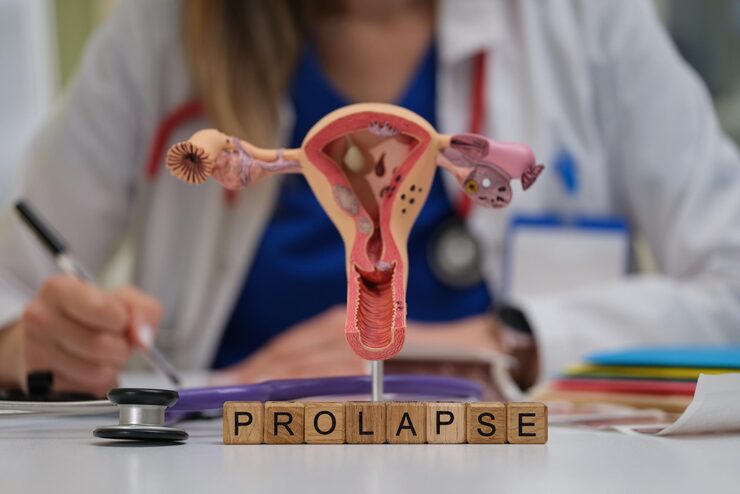
Uterine prolapse is a condition in which the uterus slips down from its normal position into the vaginal canal due to weakened pelvic floor muscles and supporting ligaments. It commonly affects women after childbirth, menopause, or as a result of aging. Early diagnosis and appropriate treatment can relieve symptoms, improve quality of life, and prevent further complications.
At our Women's Health Center, we provide comprehensive evaluation and advanced treatment for uterine prolapse with personalized care plans, pelvic floor rehabilitation, and minimally invasive surgical options to restore pelvic health and comfort.
What Causes Uterine Prolapse?
Uterine prolapse develops when the muscles and tissues supporting the uterus become weak or stretched. Common causes and risk factors include:
- Multiple vaginal childbirths
- Pregnancy and difficult labor
- Menopause and reduced estrogen levels
- Aging and weakened pelvic muscles
- Obesity or excess body weight
- Chronic constipation
- Persistent coughing or heavy lifting
- Previous pelvic surgery
- Genetic weakness of connective tissues
Signs That Need Medical Attention
- A feeling of heaviness or pressure in the pelvis
- A bulge or tissue protruding from the vagina
- Lower back or pelvic pain
- Difficulty urinating or incomplete bladder emptying
- Urinary leakage or frequent urinary tract infections
- Difficulty with bowel movements
- Pain or discomfort during sexual intercourse
- Symptoms that worsen after standing for long periods
Our Uterine Prolapse Treatment Services
We offer complete diagnosis and treatment for uterine prolapse, including:
- Comprehensive gynecological consultation
- Detailed pelvic examination
- Pelvic floor muscle assessment
- Pelvic floor strengthening exercises (Kegel exercises)
- Pessary fitting and management
- Hormonal therapy when appropriate
- Minimally invasive prolapse repair surgery
- Post-treatment rehabilitation and follow-up care
Benefits of Early Diagnosis & Treatment
✔ Relief from pelvic pressure and discomfort
✔ Improved bladder and bowel function
✔ Better pelvic floor support and strength
✔ Reduced risk of worsening prolapse
✔ Personalized treatment based on severity
✔ Improved quality of life and daily comfort
Diagnosis & Treatment Process
- Detailed medical history and symptom assessment
- Comprehensive pelvic examination
- Assessment of prolapse severity
- Additional imaging or diagnostic tests if required
- Personalized non-surgical or surgical treatment plan
- Regular follow-up and pelvic floor rehabilitation
Why Choose Us?
- Experienced gynecologists specializing in pelvic floor disorders
- Advanced diagnostic and treatment facilities
- Expertise in minimally invasive prolapse surgery
- Personalized treatment plans for every patient
- Compassionate, patient-centered care
- Comprehensive rehabilitation and long-term follow-up support